

Digital marketing has become the backbone of business growth across the globe. Whether you are a freelancer, an agency owner, or a beginner trying to learn online promotion methods, understanding the 10 types of digital marketing is critical. Each type has unique benefits, different channels, and specific techniques that can boost visibility, attract leads, and increase sales.
In this guide, you will learn the most effective types of online marketing, how businesses use them, and why combining strategies creates better results. We will also explore examples, advantages, and the role each plays in a complete digital marketing plan.
What is Digital Marketing?
Before diving into strategies, let’s start with the digital marketing definition. Digital marketing is the process of promoting products, services, or brands using online advertising channels such as search engines, social media, email, websites, and mobile apps.
Unlike traditional advertising, internet marketing techniques allow you to reach targeted customers, track campaigns in real-time, and optimise for higher ROI.
Businesses worldwide, from startups to multinational corporations, use different forms of digital marketing to:
- Improve online visibility
- Generate qualified leads
- Enhance customer engagement
- Increase brand awareness
- Boost conversion rates
Understanding how digital marketing works means knowing the strengths of each type and combining them into an effective strategy.
Top 10 Types of Digital Marketing
Here is the list of digital marketing types that every learner, freelancer, and expert should know.
1. Search Engine Optimisation
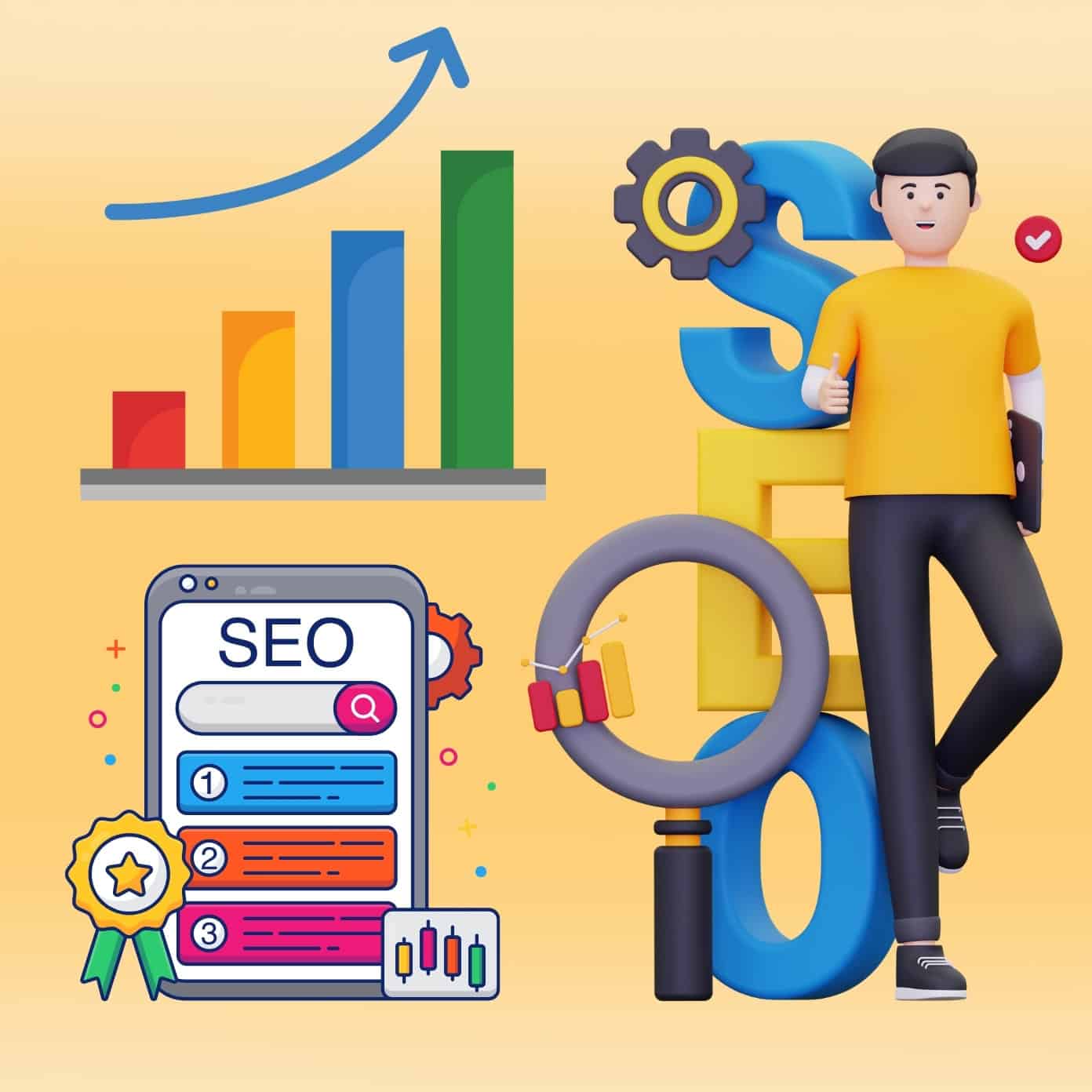
SEO is one of the most powerful organic marketing methods. It focuses on improving a website’s ranking in search engines like Google or Bing. High rankings generate organic traffic without paying for ads.
Key elements of SEO:
- On-page optimisation: Keyword research, content structure, internal linking
- Off-page optimisation: Link building, influencer outreach, guest posting
- Technical SEO: Site speed, mobile-friendliness, structured data
Example: An eCommerce website selling fitness products can rank for “best workout supplements” by optimising its blog posts, attracting buyers without spending on ads.
Benefits: Long-term growth, cost-effective, builds trust and credibility.
Best practice: Focus on user experience while balancing keyword optimisation with natural writing.
2. Search Engine Marketing
While SEO drives organic results, SEM focuses on paid marketing channels. Google Ads, Bing Ads, and other pay-per-click (PPC) marketing types help brands show up instantly in search results.
Main formats of SEM:
- Text ads in search engines
- Shopping ads for eCommerce
- Remarketing strategies targeting previous visitors
Example: A local bakery can use Google Ads to target “birthday cakes near me” and appear at the top of search results, generating quick sales.
Benefits: Fast visibility, measurable ROI, precise targeting.
Best practice: Use conversion rate optimisation to ensure ad clicks turn into paying customers.
3. Content Marketing
Content remains the heart of digital growth. It involves creating valuable, relevant, and consistent content to attract and retain audiences.
Popular forms of content marketing:
- Blog articles
- Case studies
- Infographics
- eBooks and whitepapers
- User-generated content
Example: HubSpot built global authority using content marketing strategies by publishing free guides, resources, and industry reports.
Benefits: Builds authority, improves SEO, supports lead nurturing.
Best practice: Align content with each stage of the digital sales funnel—awareness, consideration, decision.
4. Social Media Marketing
Social media platforms provide excellent opportunities for digital branding methods. From Facebook and Instagram to LinkedIn and TikTok, businesses can reach millions through social media ads and organic content.
Types of social media marketing:
- Facebook marketing
- Instagram marketing
- LinkedIn marketing
- YouTube marketing
- Twitter/X marketing
Example: A fashion brand can run influencer partnerships on Instagram to promote seasonal collections.
Benefits: Enhances engagement, boosts brand awareness, provides direct customer interaction.
Best practice: Combine organic marketing methods (posts, stories, reels) with paid advertising campaigns for maximum reach.
5. Email Marketing
Despite being one of the oldest digital advertising methods, email remains highly effective. It involves sending targeted messages to nurture leads, announce promotions, or build customer loyalty.
Popular email marketing types:
- Newsletter campaigns
- Automated welcome sequences
- Promotional offers
- Abandoned cart reminders
Example: Amazon uses personalised emails to recommend products based on browsing history, driving more sales.
Benefits: Cost-effective, personal, high ROI.
Best practice: Segment audiences and personalise content for better open and click-through rates.
6. Influencer Marketing
Influencer marketing connects brands with individuals who already have strong communities online. Instead of traditional ads, companies leverage influencer partnerships to promote products.
Types of influencer marketing:
- Mega influencers (celebrities)
- Macro influencers (large social followings)
- Micro influencers (niche-specific audiences)
Example: A skincare brand collaborates with a YouTube beauty vlogger to demonstrate product usage.
Benefits: Builds trust, creates authentic connections, enhances credibility.
Best practice: Choose influencers aligned with brand values and audience interests.
7. Mobile Marketing
Mobile devices dominate online activity. This methods target users through smartphones and tablets using SMS, in-app ads, push notifications, and mobile-optimised websites.
<p><p>Example: Starbucks uses push notifications on its mobile app to send personalised offers, boosting customer visits.
Benefits: Direct, personal, location-based targeting.
Best practice: Optimise landing pages for mobile-first indexing and user experience.
8. Affiliate Marketing
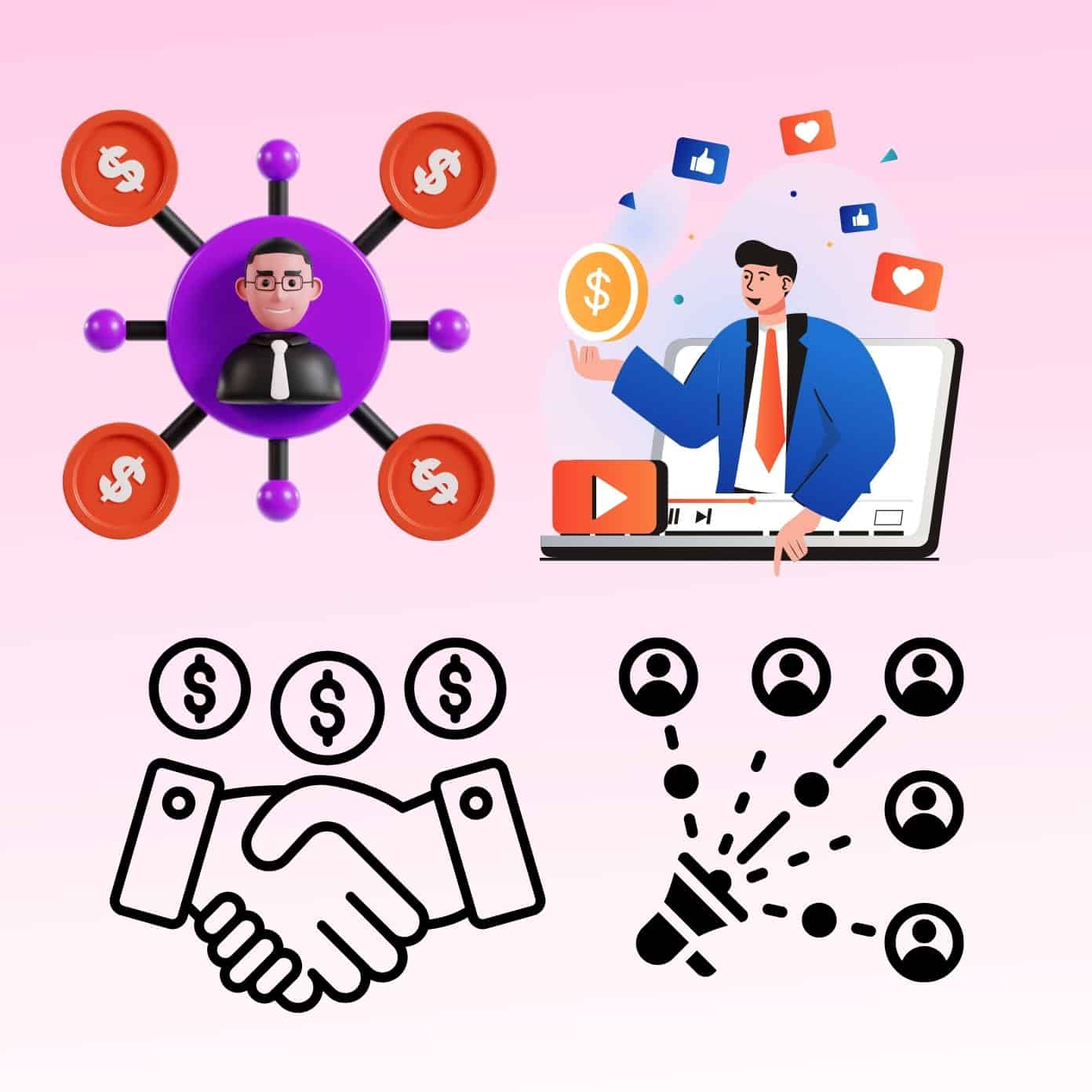
Affiliate marketing is a performance-based strategy where partners promote a business in exchange for commissions on sales.
Common affiliate channels:
- Blogs and review websites
- Coupon platforms
- Influencer referrals
Example: Hosting companies like Bluehost use affiliate programs where bloggers earn commission by recommending services.
Benefits: Low risk, scalable, performance-driven.
Best practice: Work with affiliates who have niche expertise for better conversions.
9. Video Marketing
Video is one of the fastest-growing digital media types. From YouTube tutorials to TikTok clips, video engages audiences better than text alone.
Forms of video marketing:
- Explainer videos
- Tutorials
- Testimonials
- Live streaming
- Short-form reels
Example: Dollar Shave Club went viral with a humorous video that boosted subscriptions overnight.
Benefits: High engagement, better retention, stronger emotional impact.
Best practice: Keep videos short, mobile-friendly, and optimised for each online advertising channel.
10. Display Advertising
Display ads use visuals like banners, graphics, and videos to target audiences across websites and apps.
Types of display advertising:
- Programmatic advertising
- Native advertising
- Retargeting ads
- Display network marketing
Example: An online travel agency can run retargeting ads on Google Display Network to remind visitors of flights they checked earlier.
Benefits: Wide reach, visual appeal, effective for retargeting.
Best practice: Use eye-catching creatives with strong calls-to-action.
Other Digital Marketing Classifications
Beyond the 10 types of digital marketing, some additional strategies play an important role in modern online growth.
- Inbound marketing strategies: Attracts customers using valuable content rather than pushing ads.
- Outbound marketing strategies: Direct promotion through ads, cold emails, and calls.
- Local digital marketing types: Optimising for local SEO, Google Maps, and regional targeting.
- Ecommerce digital marketing: Conversion-focused strategies for online stores.
- B2B digital marketing types: LinkedIn campaigns, whitepapers, webinars.
- B2C digital marketing strategies: Social media ads, influencer promotions, discounts.
Advantages of Different Digital Marketing Types
Each digital advertising method offers unique strengths. Here’s a comparison:
- SEO vs SEM: SEO provides long-term organic results; SEM gives instant visibility.
- Content vs Social Media: Content builds authority; social media boosts engagement.
- Email vs Influencer Marketing: Email is personal; influencer campaigns add authenticity.
- Video vs Display Ads: Video grabs attention quickly; display ads work well for retargeting.
When combined, these methods create cross-channel marketing and even omni-channel digital marketing, delivering consistent experiences across platforms.
Emerging Digital Marketing Trends
Future growth lies in adopting new technologies and strategies. Watch out for:
- AI-powered marketing automation
- Voice search optimisation
- Augmented and virtual reality campaigns
- Advanced marketing analytics
- Privacy-first advertising (cookie-less future)
Global digital marketing continues to evolve. Businesses must adapt to maintain competitive advantage.
Conclusion: Choosing the Best Digital Marketing Types
Now that you know the different types of digital marketing explained, the next step is deciding which strategies suit your business or career.
- For long-term ROI: Focus on SEO marketing strategies and content creation.
- For quick results: Invest in PPC marketing types and paid social ads.
- For strong branding: Combine influencer partnerships, video campaigns, and email automation.
Every business needs a customised digital marketing plan that balances organic vs paid marketing, inbound and outbound methods, while keeping online customer targeting at the core.
Digital growth is no longer optional—it’s essential. By mastering these top 10 online marketing strategies, you will not only understand how businesses use digital marketing types but also know how to apply them effectively for yourself or your clients.